Food Accessibility Design Strategy
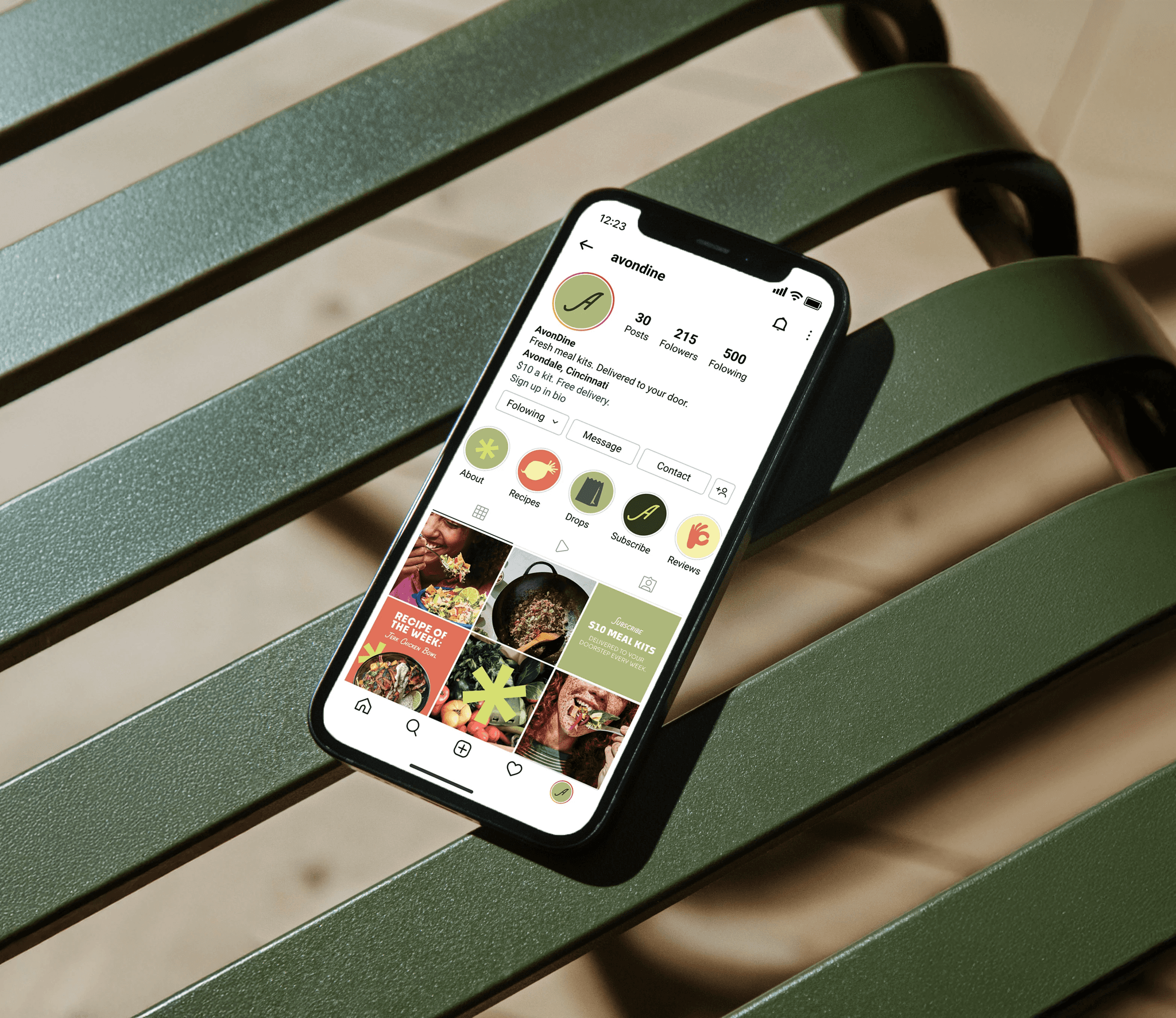
Avondine
In Avondale, getting fresh, affordable food isn’t as simple as walking to the nearest grocery store. Transportation gaps, safety concerns, and social stigma shape how residents access nutrition far more than food supply does. Avondine translates community research into a service designed around dignity, trust, and ease of access.
ROLE
Design Strategist, Researcher
EXPERTISE
Visual Design / UX/UI Design
YEAR
2025
Reframing the Problem
270,000+
Cincinnati families experience food insecurity annually
60M
pounds of food go to waste in Hamilton County each year
3 in 10
Cincinnati residents don't know the source of their next meal
Food insecurity in Avondale isn't a scarcity problem. It's a distribution problem. As D.J. Trischler, DAAP faculty and co-collaborator of the Nodes project, put it: "The food is there. It's just not equally distributed."
The data confirms it, fixing hunger means fixing access, not increasing supply. A policy and literature review revealed food access breaks down across five reinforcing forces: climate and inflation driving up costs, production waste removing usable food from circulation, health outcomes worsened by poor food quality, geographic isolation cutting off entire neighborhoods, and historical inequities that place communities of color at the intersection of all of them.
These aren't separate problems. They compound each other. Understanding those relationships made it possible to design at the right level.
01 / 08
01 / 08
Primary Research
Primary Research
Audited three community markets and interviewed D.J. Trischler (DAAP, Nodes project), Renee Mahaffey Harris (CEO, Closing the Gap), Bearcats Food Pantry staff, and community leaders.
What the research confirmed:
Stigma stops residents from using pantries. The fear of being seen with the bag means people go without.
Getting groceries without a car means walking, busing, or paying for a ride. Walking puts cash-carrying residents at risk. Bus routes add an hour, rideshare eats into tight budgets.
Only 2 of 12 restaurants and 1 of 6 convenience stores in Avondale met a 30% healthy food threshold. Over time that drives obesity, diabetes, and heart disease.
Audited three community markets and interviewed D.J. Trischler (DAAP, Nodes project), Renee Mahaffey Harris (CEO, Closing the Gap), Bearcats Food Pantry staff, and community leaders.
What the research confirmed:
Stigma stops residents from using pantries. The fear of being seen with the bag means people go without.
Getting groceries without a car means walking, busing, or paying for a ride. Walking puts cash-carrying residents at risk. Bus routes add an hour, rideshare eats into tight budgets.
Only 2 of 12 restaurants and 1 of 6 convenience stores in Avondale met a 30% healthy food threshold. Over time that drives obesity, diabetes, and heart disease.
02 / 08
02 / 08
Synthesis
Synthesis
Four core problems validated across secondary research, community interviews, and observational audits:
Stigma around food assistance
Safety and transportation barriers
Health issues driven by food quality
Lack of food and nutrition education
Four core problems validated across secondary research, community interviews, and observational audits:
Stigma around food assistance
Safety and transportation barriers
Health issues driven by food quality
Lack of food and nutrition education
03 / 08
03 / 08
Opportunity Mapping
Opportunity Mapping
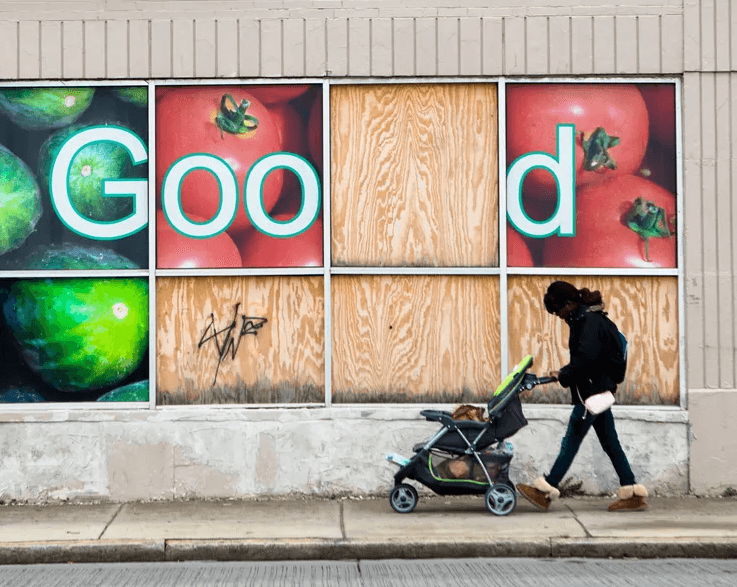
Rather than patching symptoms, this phase asked where design could shift the system.
Anonymous Access: Remove the shame of asking for help. No visibility, no stigma.
Mobile Distribution: Bring food to the community. No transportation, no barrier.
Community Embedded: Make food assistance feel like a normal part of daily life, not a last resort.
Rather than patching symptoms, this phase asked where design could shift the system.
Anonymous Access: Remove the shame of asking for help. No visibility, no stigma.
Mobile Distribution: Bring food to the community. No transportation, no barrier.
Community Embedded: Make food assistance feel like a normal part of daily life, not a last resort.
04 / 08
04 / 08
Concept Ideation
Concept Ideation
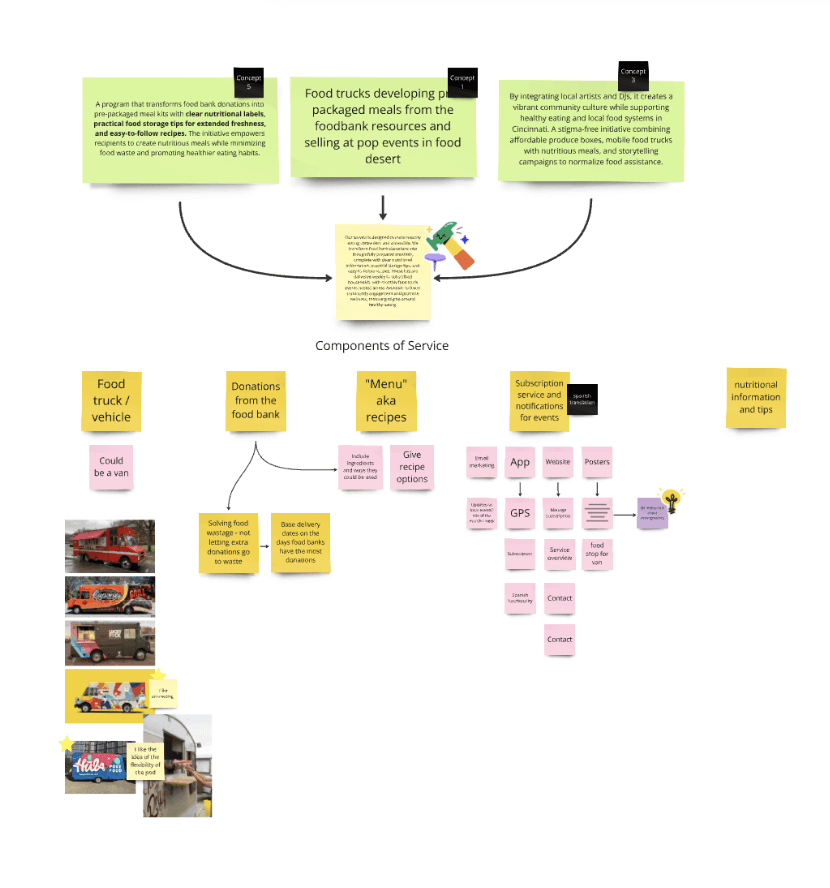
Five concepts were developed, each tackling a different combination of stigma, transportation, cost, waste, and education:
Concept 1: Mobile Food Truck Pop-ups
Concept 2: Cultural Meal Kits with Embedded Nutrition Education
Concept 3: Community Urban Farms
Concept 4: Grocery Shuttle & Route-Tracking App
Concept 5: Pre-packaged Meal Kits through Existing Pantry Infrastructure
Five concepts were developed, each tackling a different combination of stigma, transportation, cost, waste, and education:
Concept 1: Mobile Food Truck Pop-ups
Concept 2: Cultural Meal Kits with Embedded Nutrition Education
Concept 3: Community Urban Farms
Concept 4: Grocery Shuttle & Route-Tracking App
Concept 5: Pre-packaged Meal Kits through Existing Pantry Infrastructure
05 / 08
05 / 08
Concept Evaluation & Decision-Making
Concept Evaluation & Decision-Making
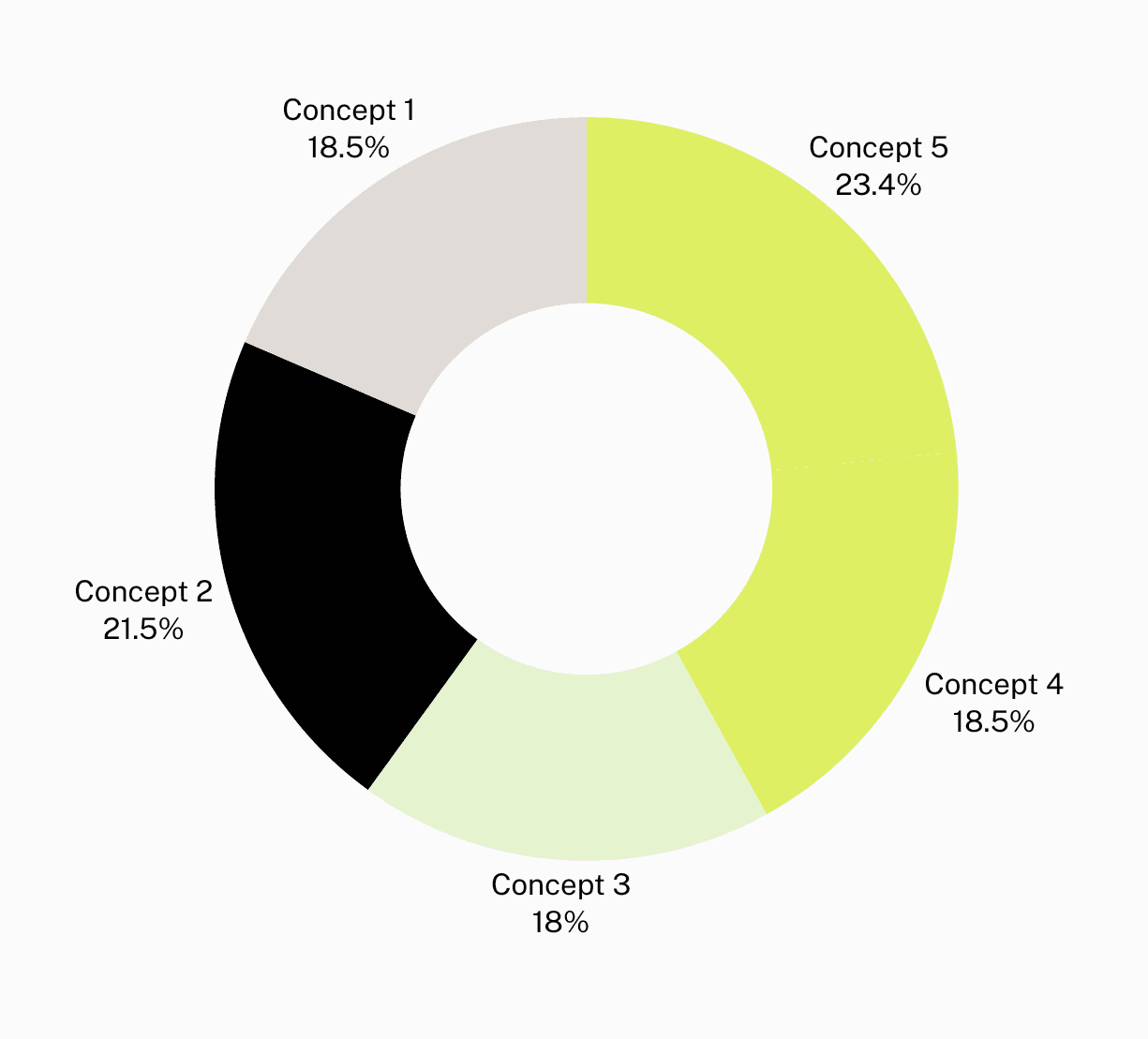
Surveyed stakeholders to map pain points against each concept, comparing desirability and feasibility.
Concept 5 ranked highest overall
No single concept addressed all pain points
The decision wasn't which concept to pick. It was how to combine their strengths into one integrated system.
Surveyed stakeholders to map pain points against each concept, comparing desirability and feasibility.
Concept 5 ranked highest overall
No single concept addressed all pain points
The decision wasn't which concept to pick. It was how to combine their strengths into one integrated system.
06 / 08
06 / 08
Final Concept: AvonDine
Final Concept: AvonDine
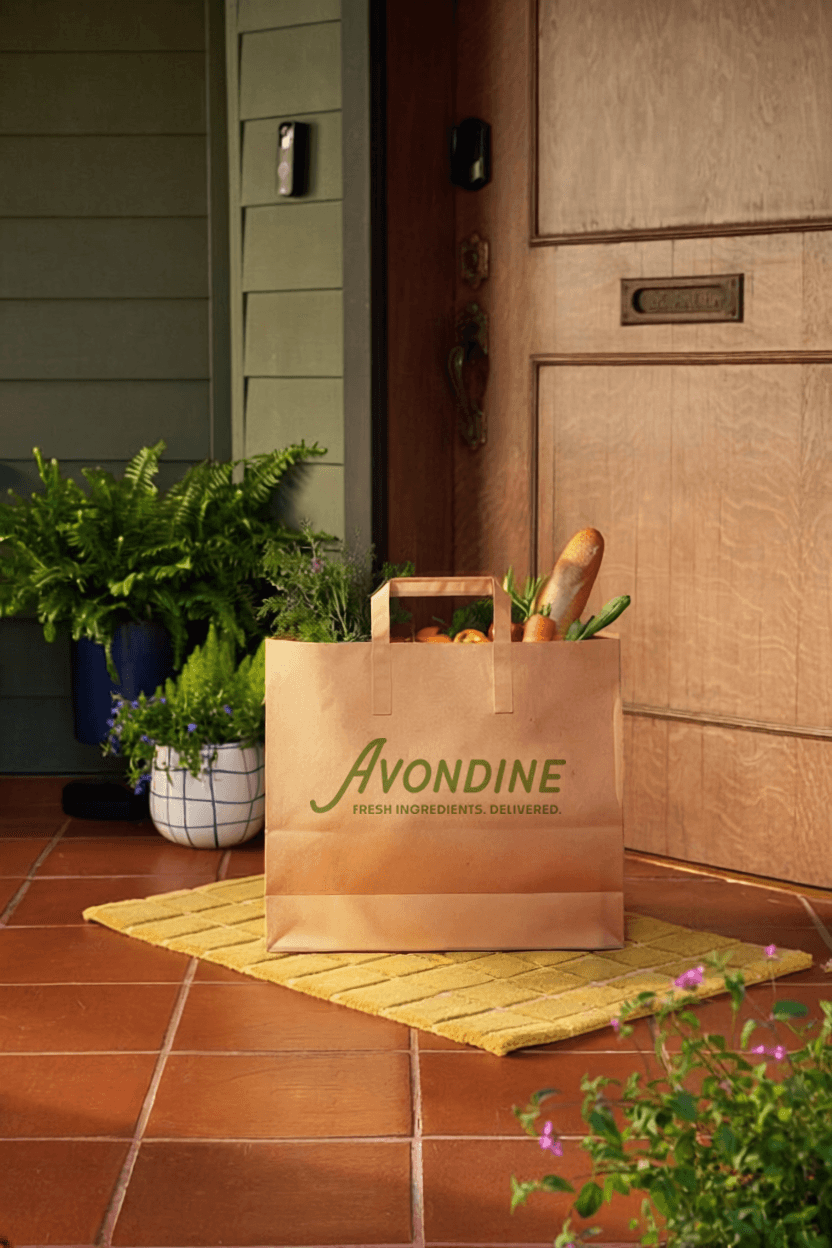
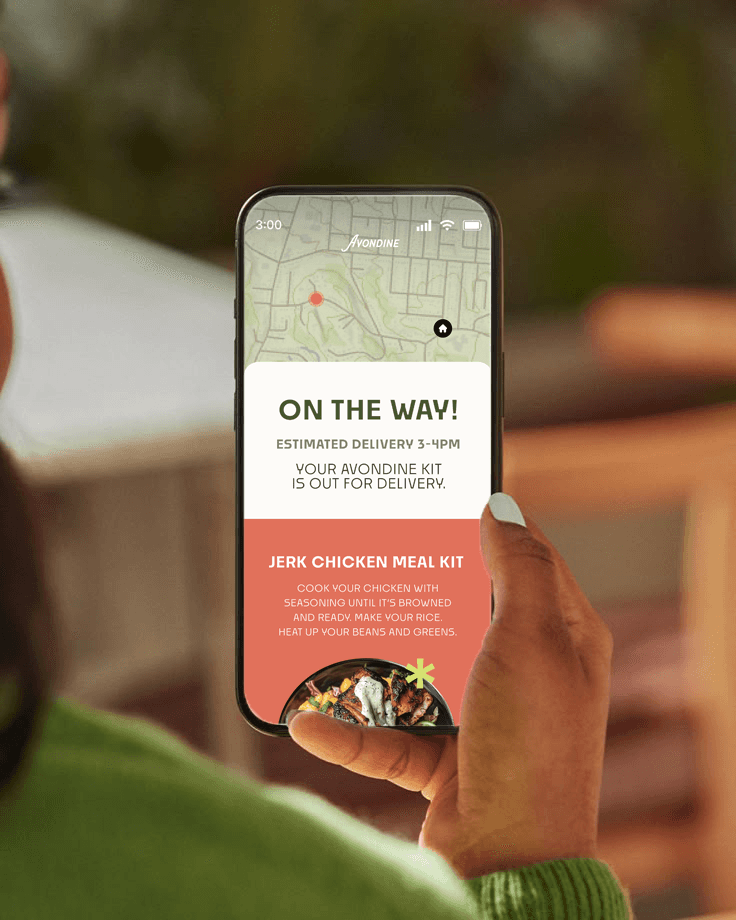
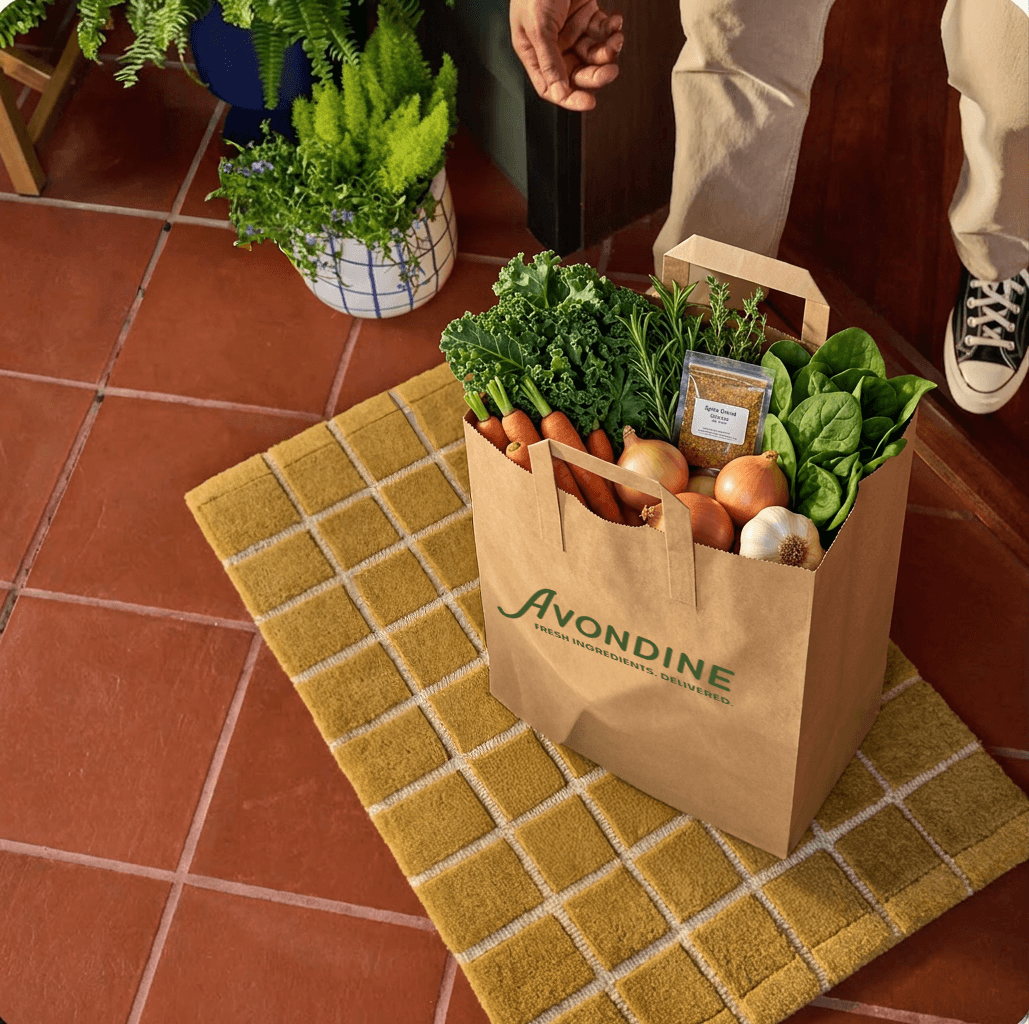
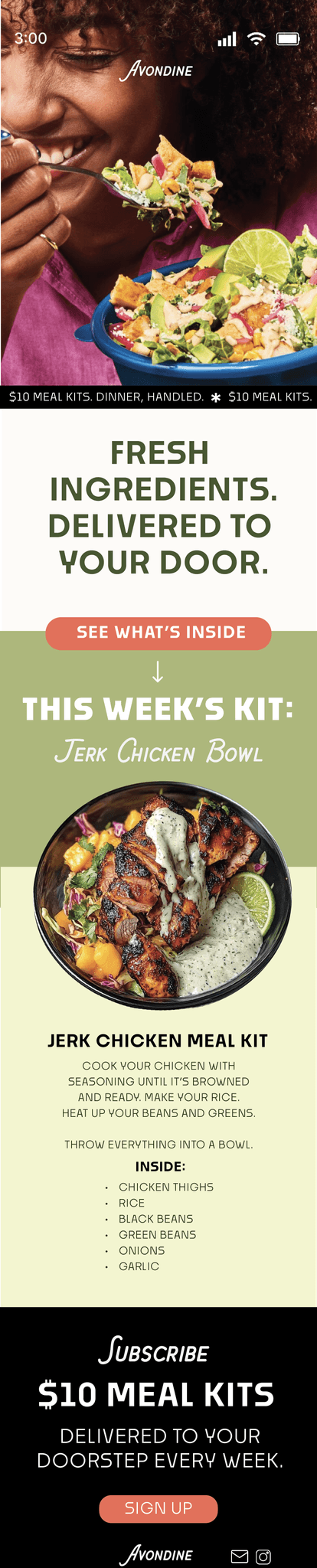
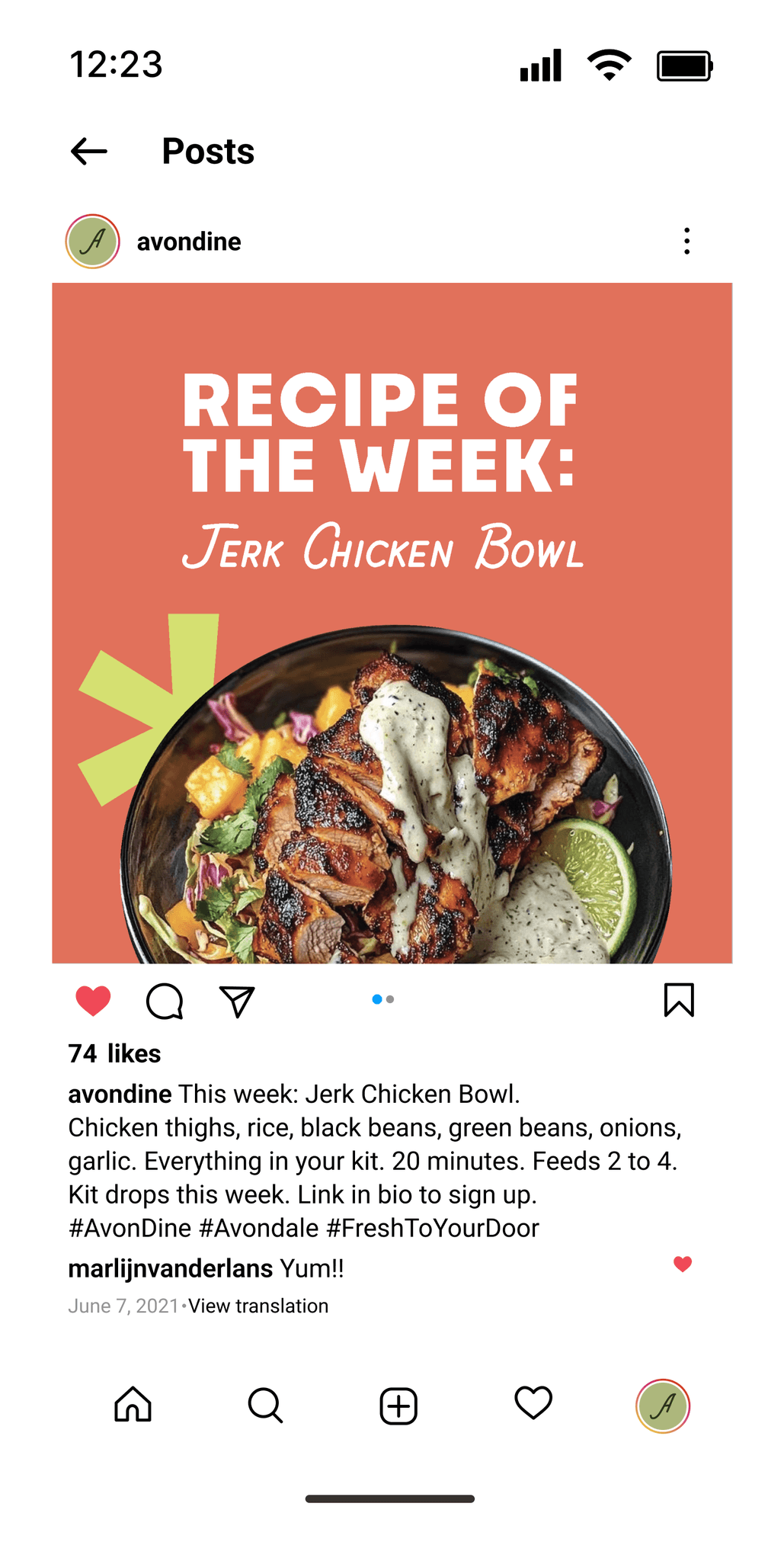
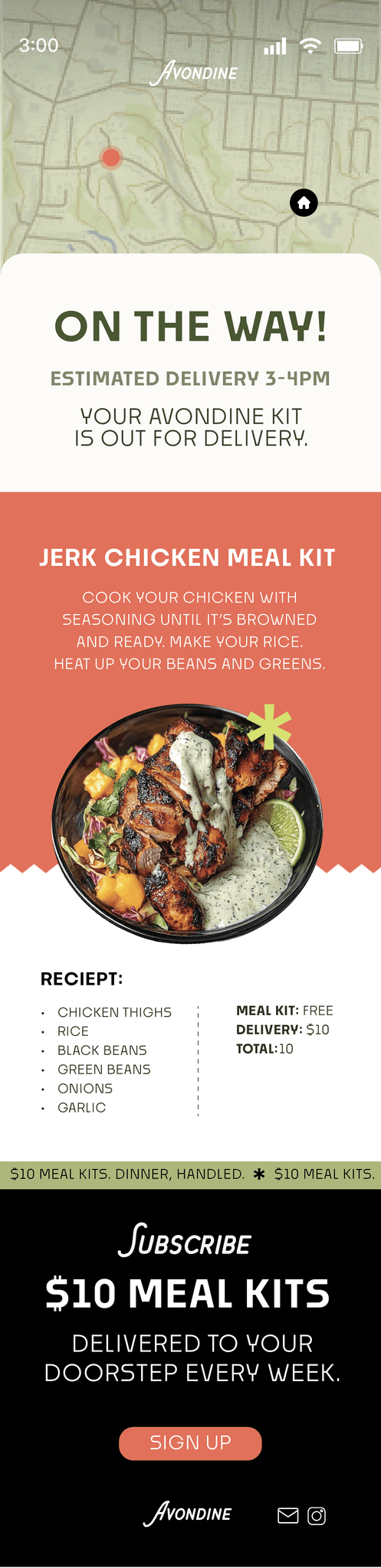
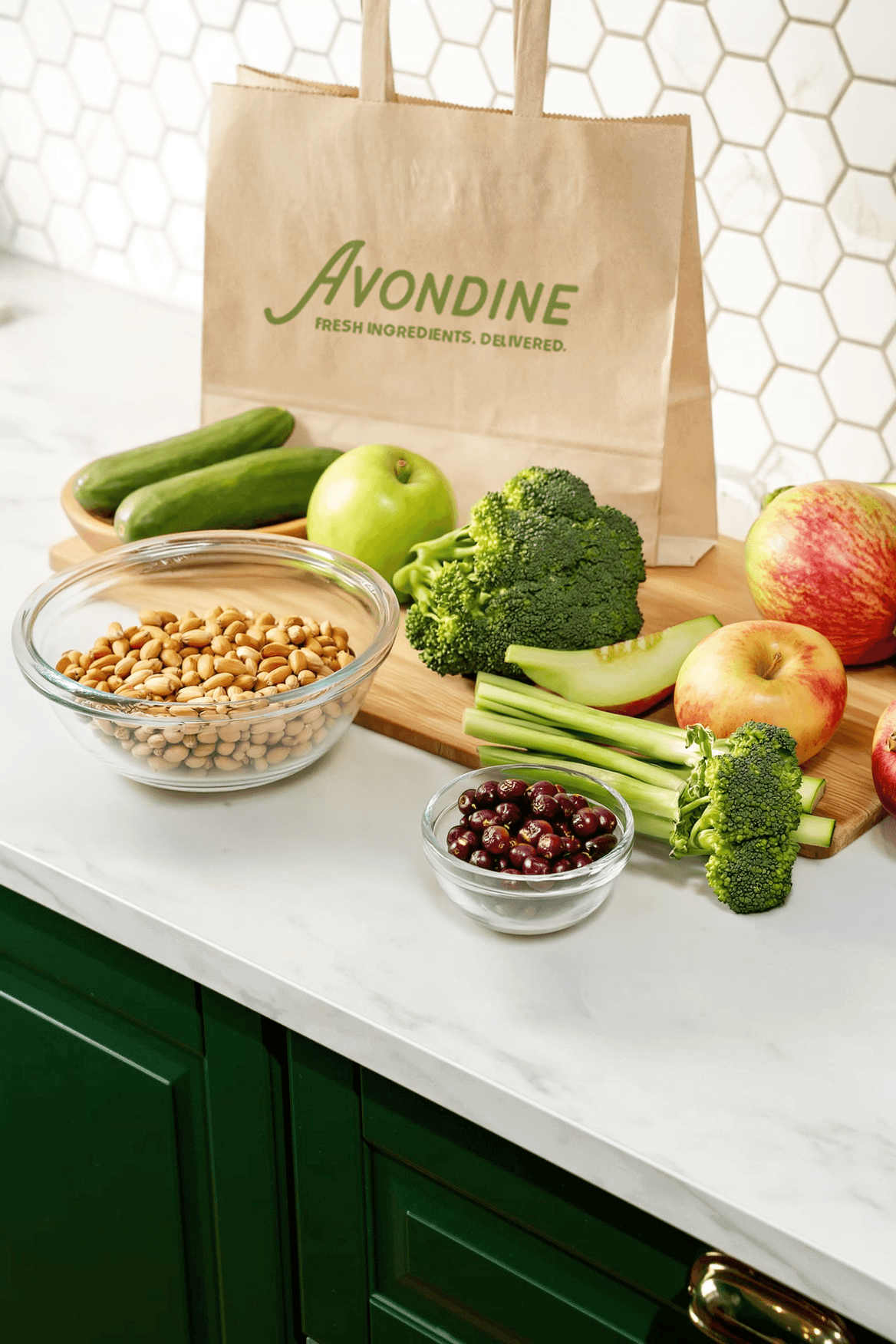
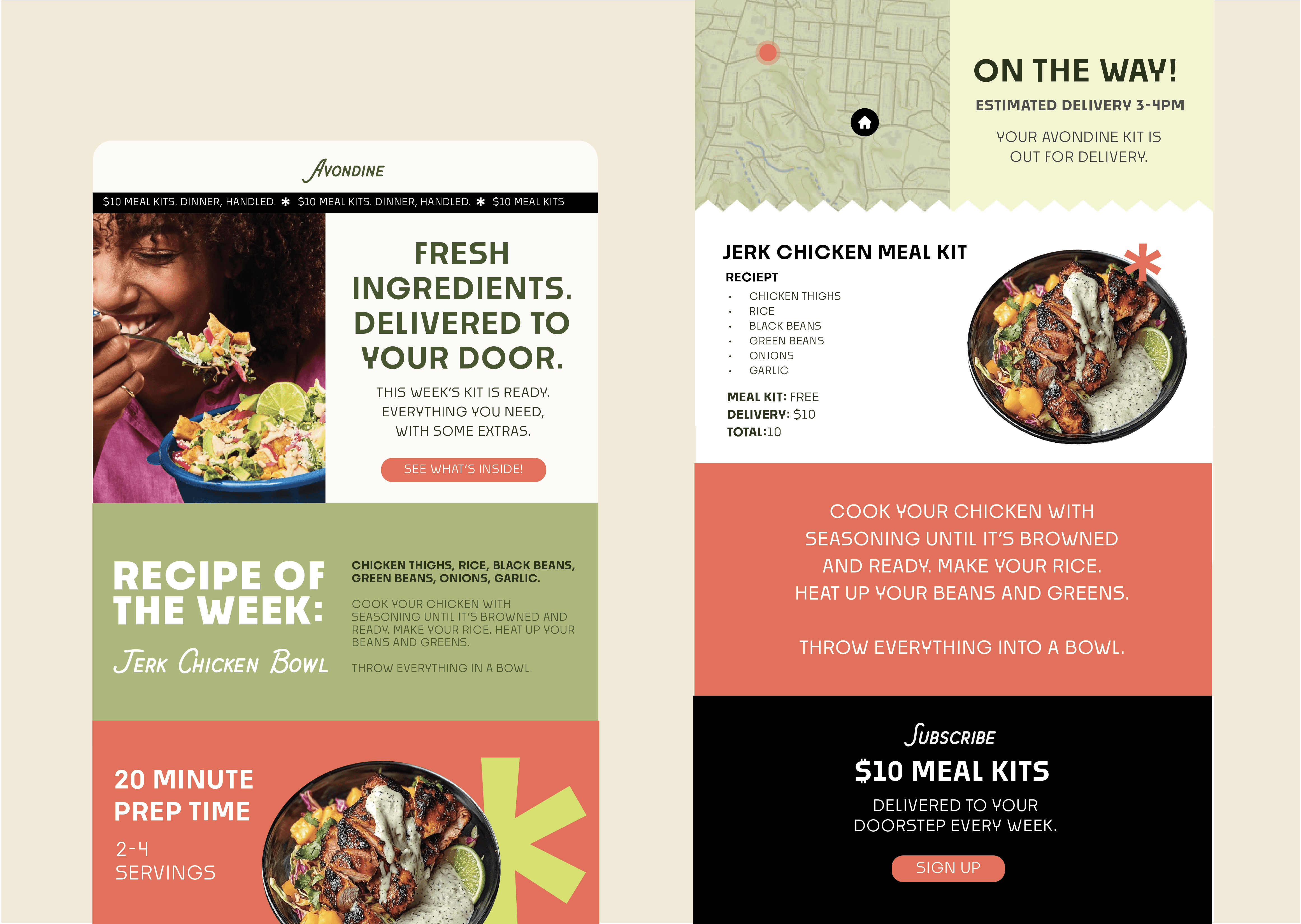
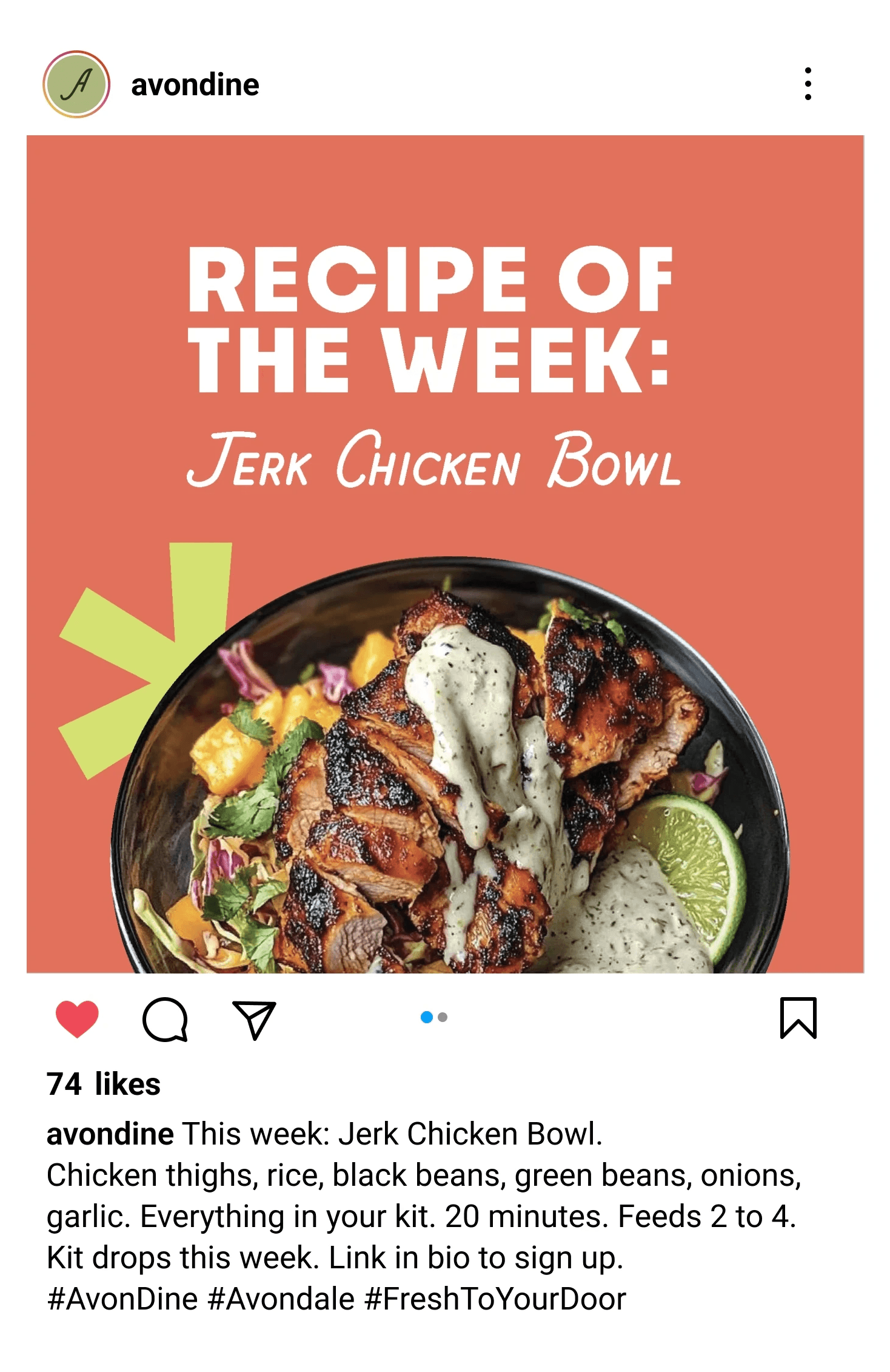
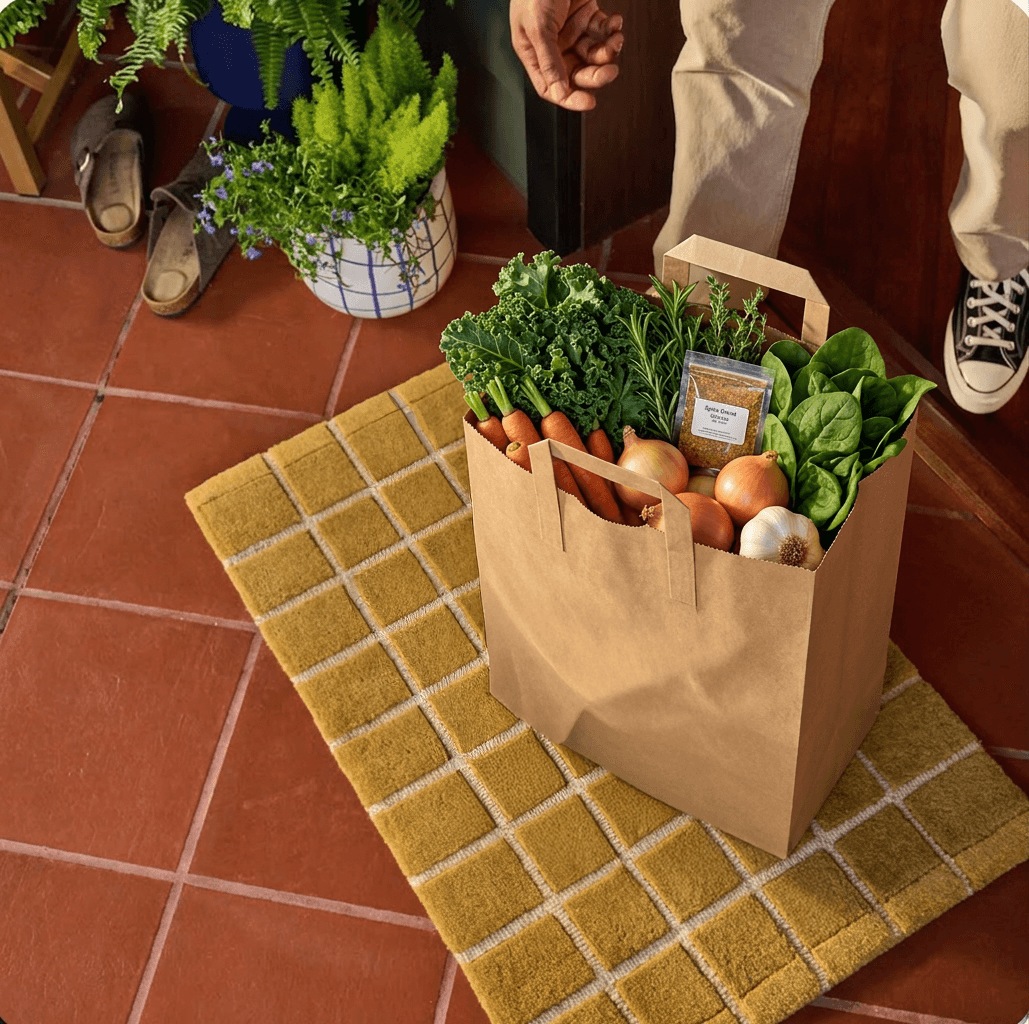
Food banks receive donations they can't always use. Families receive food they don't always know how to prepare. AvonDine addresses both through pre-packaged meal kits with recipes, nutrition info, and storage guidance, built from existing food bank donations and distributed through pantry infrastructure families already trust.
Optional subscription delivery
Monthly community events to normalize participation
Why it works:
Reduces stigma, improves nutrition, and cuts food waste
Creates a sustainable revenue stream
Fits into existing pantry operations
Food banks receive donations they can't always use. Families receive food they don't always know how to prepare. AvonDine addresses both through pre-packaged meal kits with recipes, nutrition info, and storage guidance, built from existing food bank donations and distributed through pantry infrastructure families already trust.
Optional subscription delivery
Monthly community events to normalize participation
Why it works:
Reduces stigma, improves nutrition, and cuts food waste
Creates a sustainable revenue stream
Fits into existing pantry operations
07 / 08
07 / 08
Concept Validation
Concept Validation
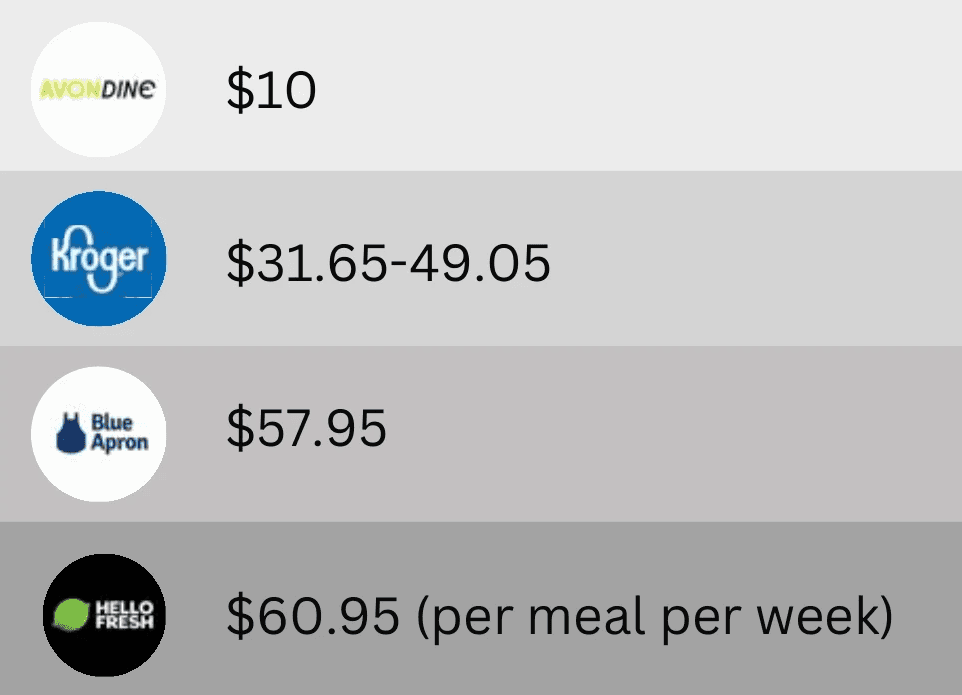
What makes it different from HelloFresh or Blue Apron? AvonDine is up to 83.6% more cost-effective than traditional meal kits:
AvonDine: $10 per kit
Kroger meal kits: $31.65 to $49.05
Blue Apron: $57.95
HelloFresh: $60.95
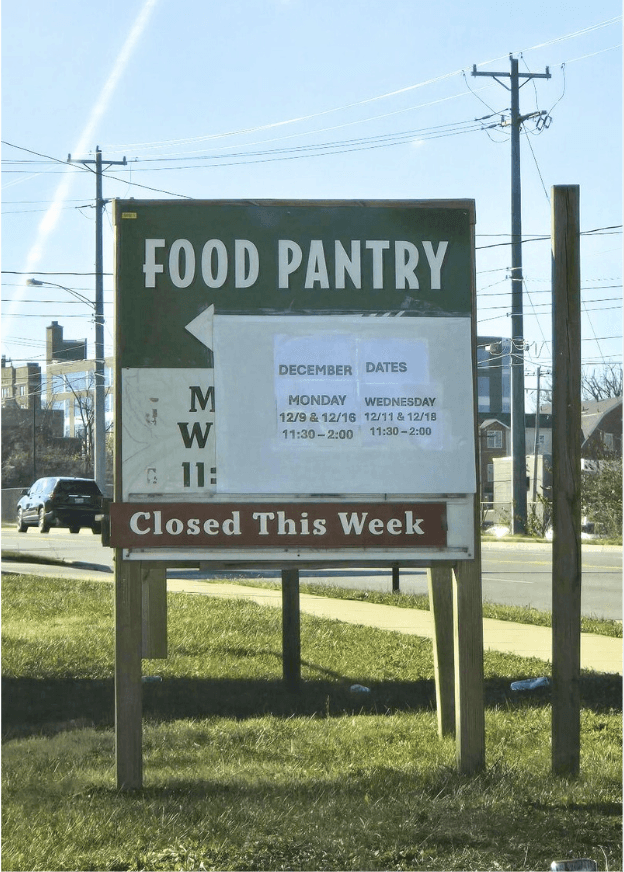
The revenue model is built in: Adventist Outreach Food Pantry in Avondale is open 4 days a month. Delivering to just 10 households per day at $10 per kit generates $400 a month for the pantry.
What makes it different from HelloFresh or Blue Apron? AvonDine is up to 83.6% more cost-effective than traditional meal kits:
AvonDine: $10 per kit
Kroger meal kits: $31.65 to $49.05
Blue Apron: $57.95
HelloFresh: $60.95
The revenue model is built in: Adventist Outreach Food Pantry in Avondale is open 4 days a month. Delivering to just 10 households per day at $10 per kit generates $400 a month for the pantry.

*Crispy Maple Mustard Chicken with Roasted Potato Wedges and Carrots
*Crispy Maple Mustard Chicken with Roasted Potato Wedges and Carrots
08 / 08
08 / 08
Delivery & Impact
Delivery & Impact
Presented to Bearcats Pantry staff, Adventist Outreach Food Pantry volunteers Muriel Turner and Dr. Candace Johnson, and community leadership.
Concept deemed feasible
Subscription model identified as a path to closing the operating deficit
Open invitation for future collaboration
Projected impact:
Increased food access for working families
Reduced waste across the donation and distribution chain
Long-term financial sustainability for participating pantries
Presented to Bearcats Pantry staff, Adventist Outreach Food Pantry volunteers Muriel Turner and Dr. Candace Johnson, and community leadership.
Concept deemed feasible
Subscription model identified as a path to closing the operating deficit
Open invitation for future collaboration
Projected impact:
Increased food access for working families
Reduced waste across the donation and distribution chain
Long-term financial sustainability for participating pantries